
Ensuring compliance with local grid codes (AS/NZS standards) and Australian utility parameters.
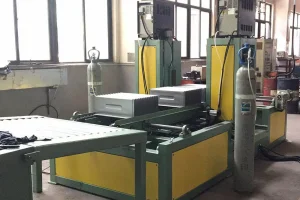
Fully automated fin-to-fin laser-assisted seam welding equipment optimized for high-capacity cooling radiator tanks used in Australian utility grids.
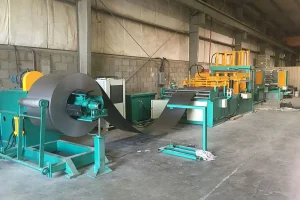
Heavy-duty hydraulic system engineered to fold cold-rolled steel plates into uniform cooling channels for distribution transformers.
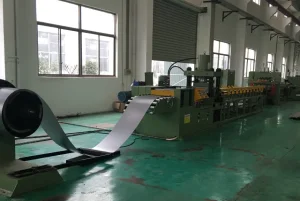
Advanced heat dissipation profiles designed for control circuitry, auxiliary solar grid-tied inverters, and switchgear cabinets.
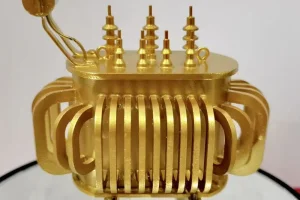
Industrial-grade step-down distribution transformers designed to endure harsh Australian climatic swings and peak load conditions.
The Australian Capital Territory (ACT) is driving one of the country's most ambitious decarbonization programs. With a target of maintaining 100% renewable electricity supply and phasing out fossil-fuel reliance, the local power grid faces an unprecedented influx of decentralized energy resources (DERs). Solar arrays, battery energy storage systems (BESS), and microgrids require a complete rebuild of the physical distribution infrastructure.
For industrial operators, contractors, and public utility partners in Canberra (including Evoenergy network developers), this creates an acute demand for highly efficient, reliable, and standardized transformer distribution components. Winding machines, silicon steel core processing lines, and oil tank fabrication equipment are the fundamental enablers of this transition. Upgrading the local grid demands strict compliance with Australian standards (AS/NZS 60076) and demands local equipment suppliers capable of delivering high efficiency with zero thermal runaways.
Liquid-immersed distribution transformers are the workhorses of Canberra's rural and suburban electric networks. The reliability of these transformers hinges on their cooling systems—specifically, the structural integrity of their corrugated oil tanks. Corrugated sheets act as primary heat dissipation channels. Any variance in the fold profile or micro-fractures during the welding phase will lead to oil leaks under peak load thermal cycling.
Advanced manufacturing solutions integrate automatic corrugated sheet forming and welding systems. By replacing manual metal arc welding with continuous CNC welding, the risk of micro-porosity is eradicated. The machines use real-time optical tracking to ensure deep weld penetration along the entire length of the cooling fins, protecting the internal cooling fluid from environmental moisture intrusion and preventing costly localized ecological issues.
The global electrical manufacturing equipment market is rapidly shifting toward three key paradigms:
For global engineering departments and procurement divisions in Canberra, partnering with a Chinese Industry 4.0 manufacturer offers critical advantages in terms of scaling capability and cost optimization:
By leveraging an integrated industrial chain model in Wuxi, we consolidate core components processing, sheet metal forming, laser fabrication, and software development under one umbrella. This localized cluster removes transport delays, stabilizes procurement costs, and ensures that precision-machined elements (such as pneumatic components and servo motors from premium brands) are integrated seamlessly. The result is a machine with European-class stability at a highly competitive capital cost, shortening ROI intervals to under 18 months for local fabrication plants.
Explore our complete vertical solutions, from silicon steel processing to final core assembly and testing.
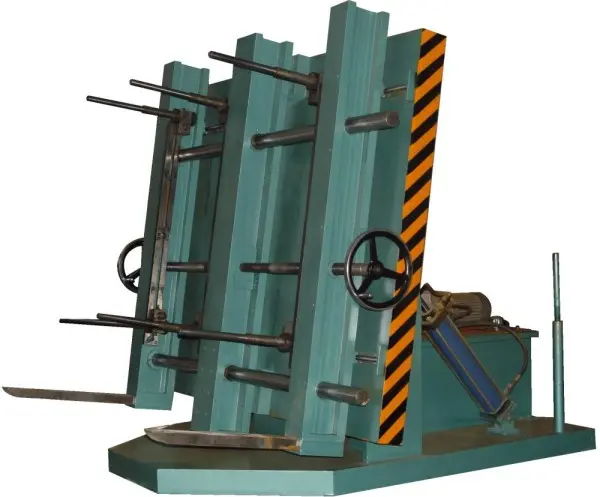
High-capacity hydraulic tilting table designed to handle heavy cores safely, shifting orientation from horizontal stack to vertical assembly without damaging core laminations.
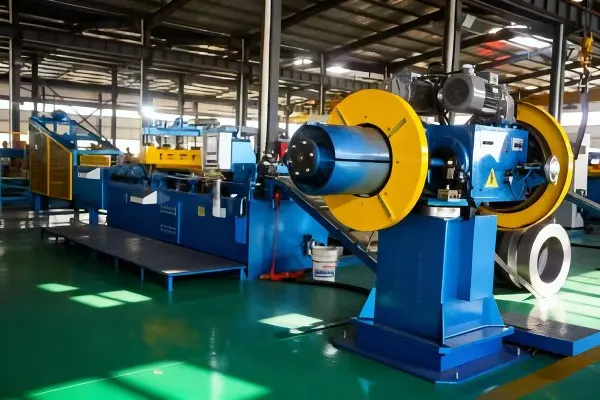
High-precision V-notching and multi-step shear control, producing step-lap transformer cores with minimal burr heights under 0.02 mm.
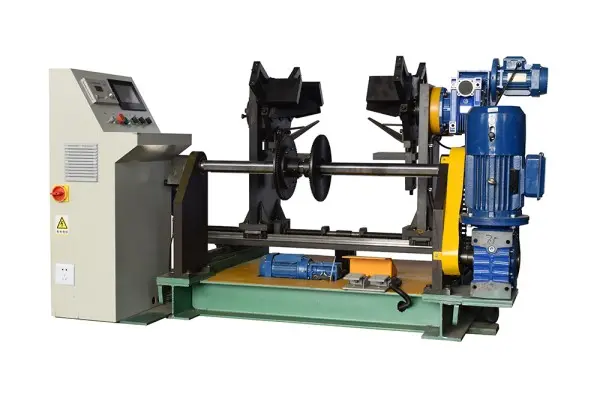
Specialized gear system designed to wind copper or aluminum conductors directly onto closed, three-dimensional triangular magnetic cores.
We supply advanced winding, forming, and core processing machinery to the global electrical and industrial sectors. Our portfolio covers silicon steel processing, amorphous alloy line integration, oil tank welding, and specialized coil winding setups.
Ensuring seamless deployment, certification, and remote maintenance in the ACT.
Every machine destined for Australia undergoes local testing. All electrical enclosures are wired to meet AS 3000 standards, featuring IP-rated controls, emergency-stop circuits, and dual-channel safety relays.
We conduct exhaustive Factory Acceptance Testing (FAT) with video live-streams and telemetry feedback. Upon arrival, our engineers assist with Site Acceptance Testing (SAT) and calibration.
Winding machines are configured with secure industrial VPN routers. Our software team in Wuxi can access PLC controls, run diagnostics, and push firmware updates to Canberra factories.
Select your equipment to view complete dimensions, operational speeds, and customizable configurations.
Engineered for high-power distribution transformers, featuring automated edge-guiding and multi-layer insulation insertion.
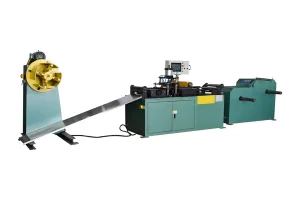
High-precision curve shear utilizing dynamic PLC profiling to match custom curved core blueprints.
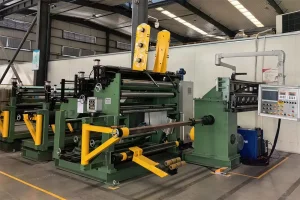
Dual-unwind system with precise tension alignment, ideal for medium-voltage electric transformer assemblies.
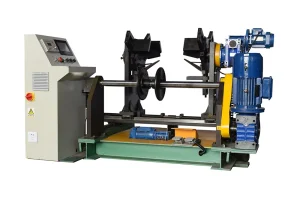
Fully automated roll-core setup designed for manufacturing ultra-low-loss distribution systems.
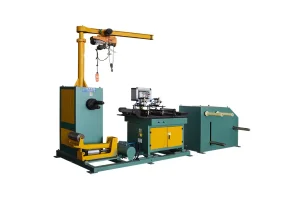
Heavy-duty coiling platform built for utility-scale transformer cores requiring maximum magnetic density.
Advanced closed-loop tension system with micro-step core feed control for low energy-loss cores.
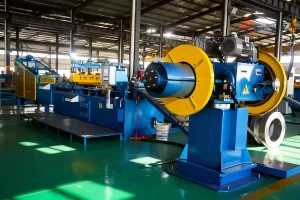
High-efficiency sheet processing with integrated stackers and rapid-cycle length control.
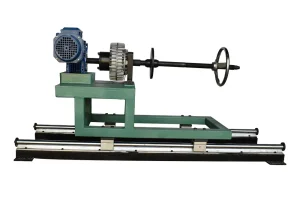
Constant-tension payout stand with emergency electromagnetic braking systems for large-gauge coils.
Direct answers for project managers, design engineers, and commercial buyers.
Standard configuration winding machines and cutting lines are shipped within 45 to 60 days following structural sign-off. Custom integrated production lines (such as complete automated tank-welding installations) require 75 to 90 days for assembly, software integration, and comprehensive Factory Acceptance Testing (FAT).
All industrial panels, PLC inputs, and motor controllers are designed in accordance with AS/NZS standards. We implement circuit breaker configurations, emergency stop topologies, and protective insulation structures that allow local inspectors to certify the equipment for the Australian grid without modification.
Yes, our industrial PLCs (primarily Siemens or Mitsubishi systems) support Modbus TCP/IP, OPC UA, and EtherNet/IP protocols. Winding, cutting, and welding variables can be streamed in real-time to your factory management system or local database infrastructure.
Key maintenance areas include keeping the alignment sensors clean, monitoring tension pneumatic cylinders, and maintaining the cutting blades. Standard spare parts kits (including photoelectric sensors, solenoids, and cutting knives) are shipped alongside the machine to minimize unplanned downtime.