Engineered to meet the stringent power demands of Nepal Electricity Authority (NEA) grid expansion and urban modernization.
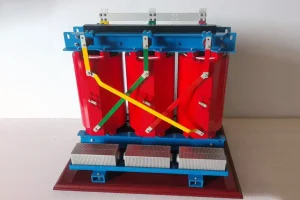
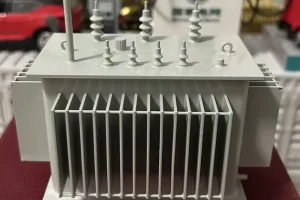
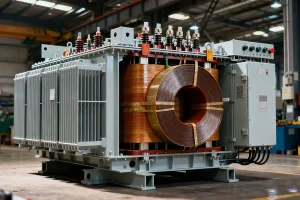
The Kathmandu Valley—comprising the vibrant urban and industrial hubs of Kathmandu, Lalitpur, and Bhaktapur—is undergoing an unprecedented power infrastructure transition. Driven by the Nepal Electricity Authority’s (NEA) master plan to reinforce urban distribution networks, accommodate massive load growth from commercial centers, and seamlessly step down electricity generated from Himalayan hydro basins (such as Trishuli, Upper Tamakoshi, and Marsyangdi corridor), the demand for high-reliability, low-loss distribution equipment has reached a critical juncture.
Operating transformers in the Kathmandu region presents a unique triad of technical challenges: high altitude (averaging 1,400 meters above sea level affecting insulation dielectric withstand levels and thermal dissipation), severe seismic activity (Zone V requirement), and acute micro-climate ambient shifts between monsoon humidity and dry winter dry-outs. Local EPC contractors, municipal procurement boards, and industrial factory developers require power hardware that exceeds basic international standards (IEC 60076, IEEE C57) while mitigating grid voltage fluctuations.
At an elevation of 1,400 meters, atmospheric pressure drops, reducing the air's cooling efficiency and dielectric strength. Standard transformers rated at sea level experience accelerated aging and unexpected thermal trips when loaded to capacity in Kathmandu's warmer industrial enclaves (e.g., Balaju and Patan Industrial Estates). Advanced manufacturing mandates customized winding pitch, expanded tank corrugated fin cooling surface areas (+12.5%), and upgraded H-class insulation resins.
Historical power quality issues within Nepal's central grid—specifically frequent line transients, harmonics introduced by heavy industrial pumps/textile plants, and severe phase imbalance—demand robust transformer topologies. Transformer failures in Kathmandu factories historically stemmed from core saturation under over-voltage transients and inter-turn short circuits caused by moisture ingress during monsoon downpours.
To prevent costly downtime, modern factories in Kathmandu are abandoning conventional low-tier wound units in favor of 3D Triangular Rolled Core and Vacuum Pressure Impregnated (VPI) / Cast Resin Dry-Type Transformers. These units offer exceptional structural symmetry, zero harmonic distortion amplification, and superior flame-retardant properties vital for high-density urban developments like Naya Baneshwor and Thamel commercial zones.
| Transformer Architecture | Kathmandu Field Advantage | No-Load Loss Reduction | Seismic & Altitude Suitability |
|---|---|---|---|
| 3D Triangular Core | Balanced 3-phase magnetic circuit, zero cut seams, low noise (< 45dB) | 25% - 35% Lower | Excellent (Symmetrical weight distribution) |
| Amorphous Metal Core | Ultra-low core loss; ideal for 24/7 standby municipal feeds | 60% - 70% Lower | High (Requires specialized elastic damping support) |
| Cast Resin Dry-Type | Zero oil leakage hazard, high impulse withstand, IP54 enclosed | Standard IEC Class | Optimal for indoor Kathmandu high-rises & hospitals |
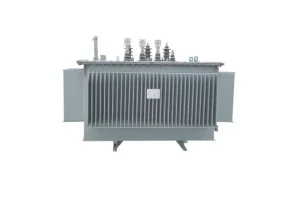
| Corrugated Tank Oil-Immersed | High thermal overload buffer, self-breathing corrugated heat sinks | 15% - 20% Lower | Robust outdoor pole/pad mount across Kathmandu valley |
Globally, power utilities are pivoting toward green electrification and carbon-neutral distribution networks under COP guidelines. Global procurement managers working with South Asian grid projects now enforce strict total cost of ownership (TCO) evaluation models. TCO factors in not just the initial FOB purchase price, but 30 years of continuous core loss costs ($/kW loss capitalized).
China’s advanced manufacturing ecosystem—exemplified by Industry 4.0 smart core shearing lines, automated foil winding equipment, and vacuum drying chambers—delivers an unmatched balance of technological sophistication and cost efficiency. Importing certified high-efficiency transformers from China directly into Kathmandu via the Rasuwagadhi or Tatopani land ports or integrated sea-rail logistics provides local Nepalese enterprises with a competitive lead times and technical superiority over legacy local assemblers.
Unlocking precision manufacturing, superior silicon steel processing, and flawless quality control for Kathmandu’s power distribution needs.
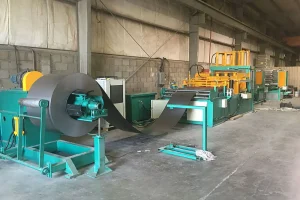
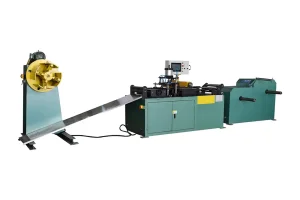
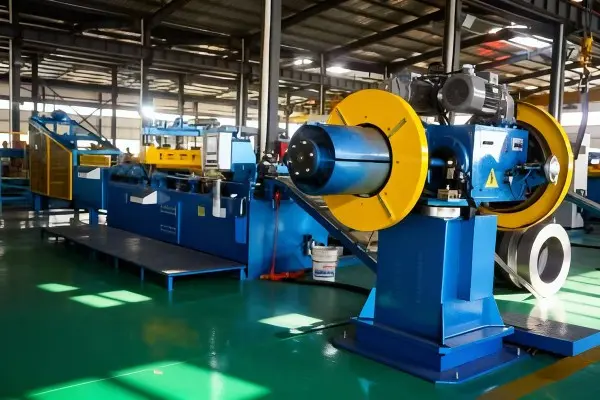
Using ultra-precise step-lap silicon steel cross-cutting machinery, core joint air gaps are minimized below 0.02mm. This dramatic reduction in magnetic resistance directly slashes no-load loss and dampens magnetostriction noise—a critical requirement for urban Kathmandu installations.
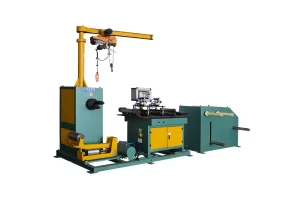
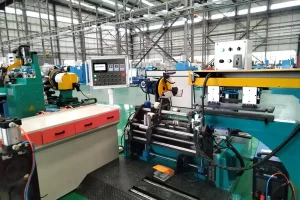
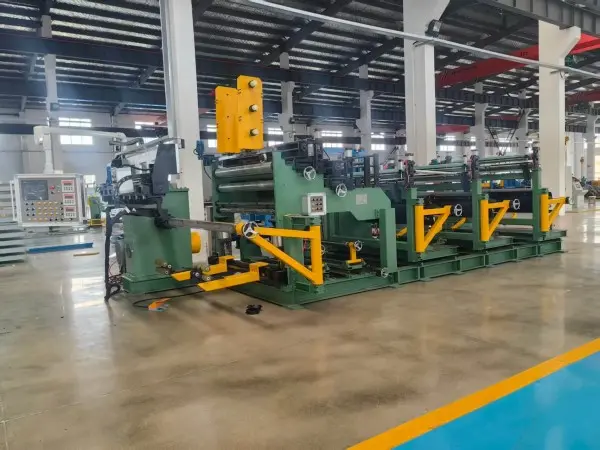
Automatic high-tension foil winding machines eliminate mechanical displacement and axial short-circuit forces during sudden electrical faults. Liquid-cooled, multi-layer foil geometry guarantees uniform current distribution without hot-spot buildup under heavy industrial loading.
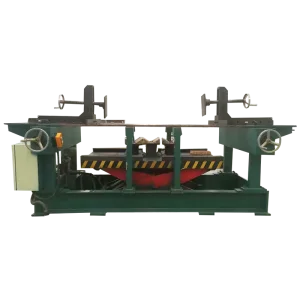
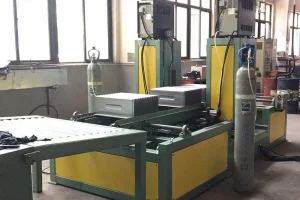
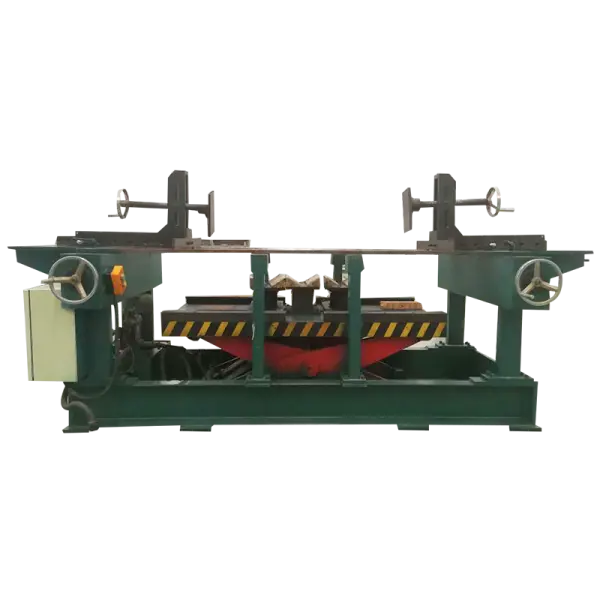
Automatic corrugated sheet welding lines form hermetically sealed corrugated oil tanks. This flexible expand-contract cooling mechanism prevents transformer oil oxidation, eliminating routine oil filtration cycles even in Nepal’s humid summer monsoon conditions.
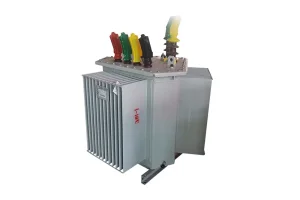
From completed transformers to state-of-the-art core shearing and foil winding machines supplied directly to Kathmandu factories.
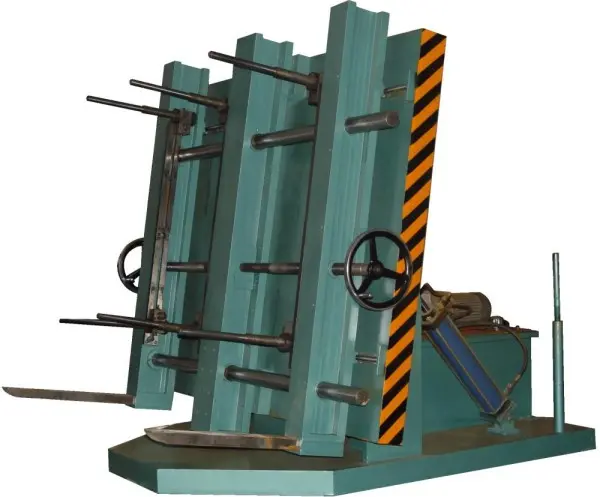
Domain-specific power deployment strategies across key municipal and industrial sectors in Nepal.
Heavy manufacturing, plastic molding, and food processing plants require continuous oil-immersed corrugated transformers equipped with dynamic tap changers. These units easily handle motor startup current surges without destabilizing peripheral voltage levels.
Kathmandu's expanding skyline—including luxury hotels in Naxal, shopping complexes in Durbar Marg, and medical centers—demands flame-retardant, self-extinguishing Cast Resin Dry-Type Transformers (F1 fire class rating) installed in basement substations.
Stepping up generated power from micro-hydro stations in peripheral hilly districts surrounding the Kathmandu basin requires stepped-up oil transformers with lightning surge arresters and customized high-voltage bush arrangements.
Wuxi Shuhong Machinery Technology Co., Ltd. is an international pioneer manufacturer of high-end electrical machinery, transformer production line equipment, and completed power distribution units. Our core product portfolio spans silicon steel iron core production lines, amorphous core processing suites, dry-type and oil-immersed coil winding systems, and complete transformer oil tank production machinery.
Driven by continuous technical innovation, our machinery and ready-to-deploy transformers empower global power grid contractors and industrial factories across South Asia, including key regional hubs like Kathmandu. We maintain strict compliance with ISO9001 and CE certifications, delivering turn-key excellence from raw steel processing to full factory testing.
Explore Global Service NetworkStay updated with the latest technological developments in coil winding, core shear, and distribution transformer efficiency.
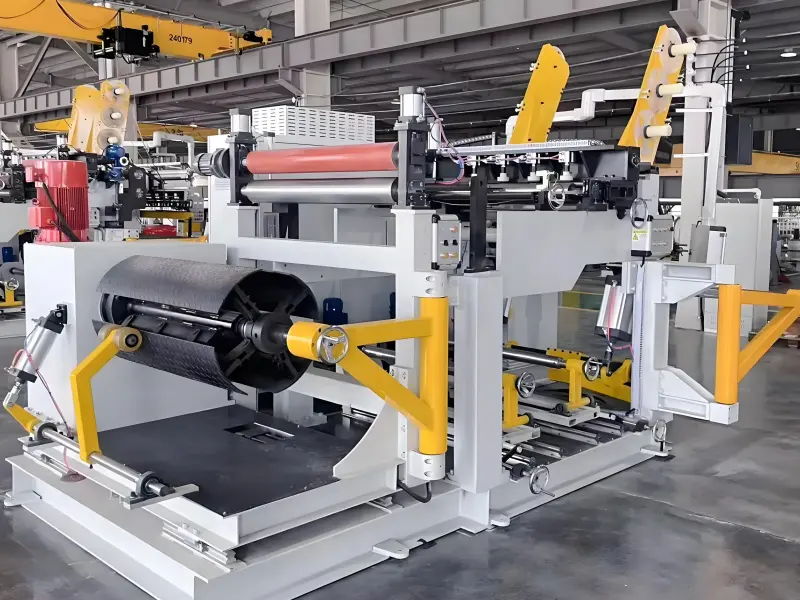
Explore how closed-loop dynamic tension feedback prevents copper wire deformation during high-speed coil winding...
Read Technical Article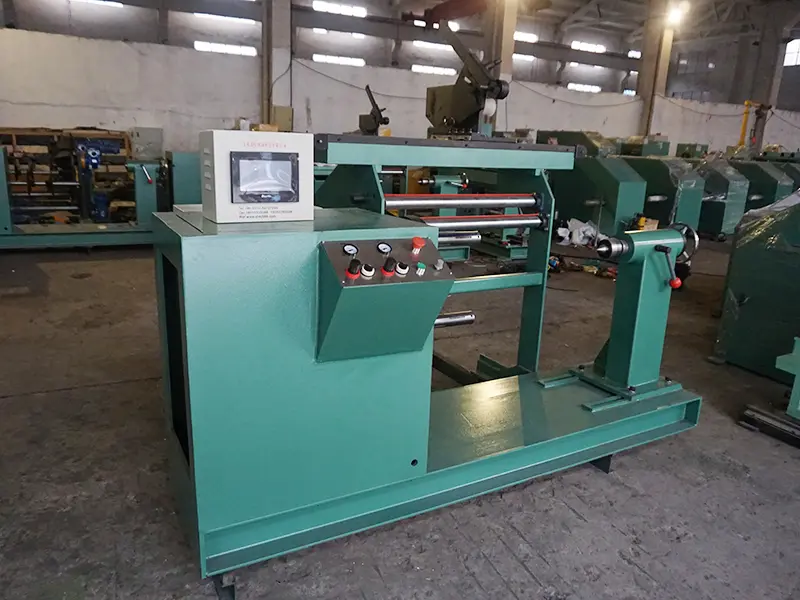
Addressing wire jump challenges through precision linear guide positioning and servo-driven wire guide arms...
Read Technical Article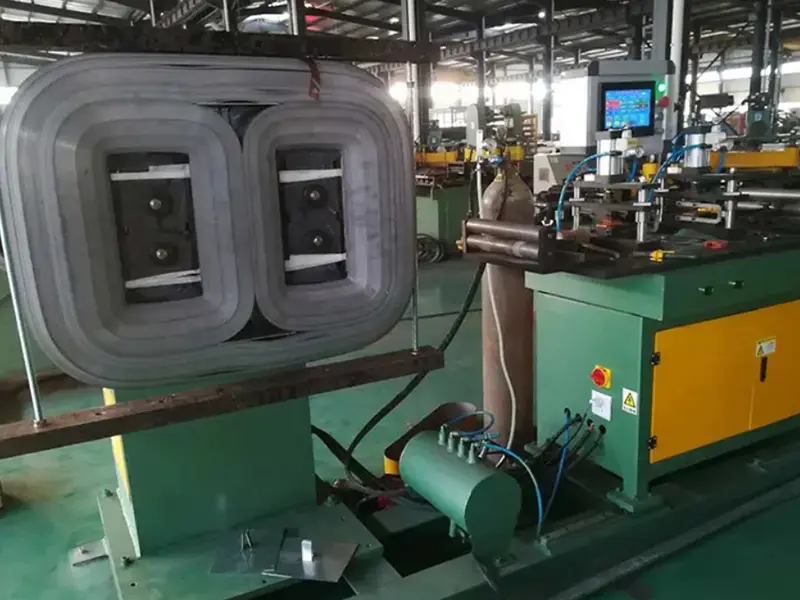
Industry 4.0 integration allows real-time monitoring of turns, tension data, and winding speeds directly to central servers...
Read Technical ArticleExpert engineering answers regarding procurement, local grid standards, freight logistics, and technical specifications for Nepal.
Explore our complete product array engineered for manufacturing, processing, and powering Kathmandu’s industrial future.