
How to Choose the Best 10 Coil Winding Machine for Your Needs?

Time:2026-08-22 Author:Oliver
0%

Choosing the right 1 10 Coil Winding Machine can significantly impact your production efficiency. According to industry expert, Dr. Lisa Chen, "The right machine can make all the difference in coil quality and output." This statement underlines the importance of considering various factors when selecting these machines.

A 1 10 Coil Winding Machine should fit your specific production needs. It's not just about cost; effectiveness and adaptability matter too. Investigating features like ease of use and maintenance will undoubtedly guide your decision. Dr. Chen suggests that understanding your production requirements is vital. Without it, you risk ending up with a machine that doesn’t meet your expectations.

While many machines may look appealing, factors like customer support and warranty are crucial. Testing the machine before purchase can sometimes reveal hidden flaws. Ultimately, making an informed choice requires careful consideration and a bit of experimentation. Your production's success relies on this pivotal decision.
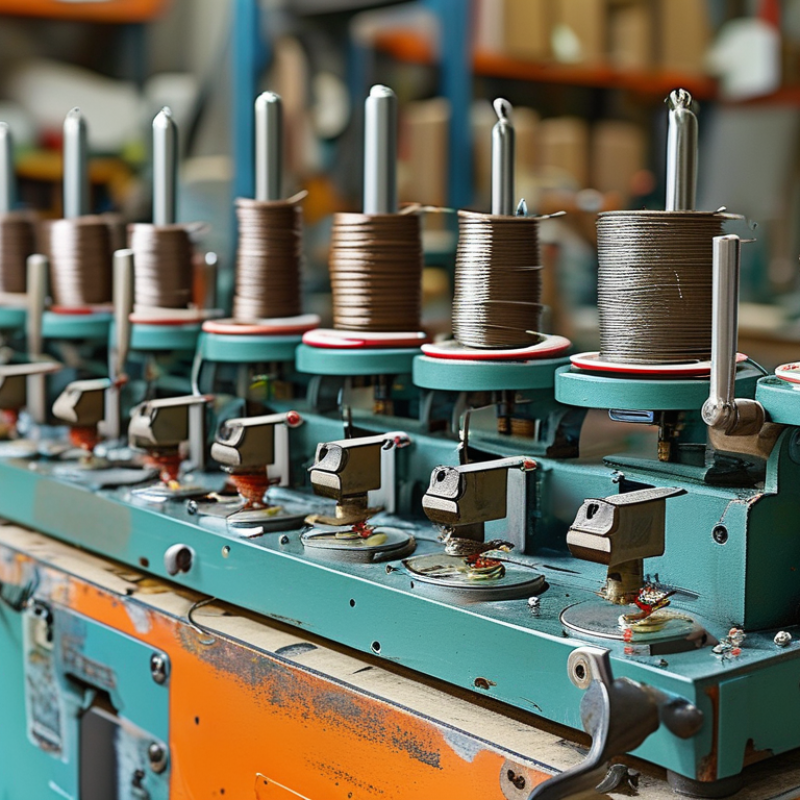
How to Choose the Best 10 Coil Winding Machine for Your Needs?

Understanding the Basics of Coil Winding Machines

Coil winding machines are essential in various manufacturing processes. Understanding how they function is crucial for making informed choices. These machines create coils used in transformers, inductors, and motors. Data from the International Electrotechnical Commission shows that coil winding is a significant factor in energy efficiency for electrical components.

Coil winding can be intricate. The winding process influences coil performance, affecting resistance and inductance. Each type of machine offers unique capabilities. Some are designed for precision, while others prioritize speed. According to a market report, 75% of manufacturers look for machines that balance speed and accuracy. Consider your production needs carefully.

User experience is vital; inefficiencies can lead to increased costs. Observational data indicates that poorly optimized machines may double production time. Therefore, it’s important to evaluate features like tension control and automation. Proper selection can prevent future headaches, ensuring quality output and reliable performance.

Identifying Your Specific Coil Winding Needs

Identifying your specific coil winding needs is crucial when selecting a coil winding machine. The type of coils required varies by industry. For instance, the electronics sector usually demands tight tolerances and high precision. According to a report by Technavio, the global coil winding machine market is expected to grow at a CAGR of 6% over the next five years. This growth signals increasing demand for specialized winding solutions.

In addition to precision, consider production volume. A production line may require machines capable of high-speed winding. Conversely, a small workshop might prioritize versatility and ease of use. An analysis from the International Journal of Advanced Manufacturing Technology shows that machines designed for small batch production are often underutilized in high-volume environments. This disparity can lead to inefficiencies and higher costs.

Evaluate the type of coils you need. Some industries require flat coils, while others might need toroidal or cylindrical forms. Understanding these specifics will guide your choice. The complexity of the coils can also impact machine selection. Are automated winding processes necessary? As the winding technology evolves, not all machines can meet diverse needs effectively. Careful consideration of these factors is vital for optimal performance.

Evaluating Different Types of Coil Winding Machines

Choosing the right coil winding machine requires a clear understanding of different types available. Each machine type serves unique applications in various industries, from automotive to electronics. According to a report by Smithers, the global coil winding machine market is projected to grow at a CAGR of 4.2% by 2025. This growth underscores the need for manufacturers to select machines tailored to their specific needs.

When evaluating coil winding machines, consider factors like winding speed, precision, and automation capabilities. Machines that offer higher precision can significantly reduce waste and improve product quality. For example, fully automatic coil winders typically enhance productivity. However, they may require higher initial investments, which can deter smaller businesses. The balance between cost and efficiency is crucial in making an informed choice.

Understanding the intended application is equally important. Some machines excel in high-volume production, while others suit custom jobs. If you often switch between different coil designs, machines with adjustable settings might suit you better. This flexibility often comes with a learning curve. Operators need adequate training to maximize the machine's potential. Investing in operator education may mitigate downtime and errors during production.

Assessing Key Features and Specifications

Choosing the right coil winding machine requires careful evaluation. Key features and specifications should align with your project needs. Look for machines that offer adjustable winding speeds. This flexibility is crucial for different wire types and coil designs. Adjustable tension controls also matter. They help maintain uniformity in winding, which is essential for quality.

Consider the maximum wire diameter the machine can accommodate. This will significantly impact your material choices. Pay attention to the winding method as well. Some machines offer layer winding, while others focus on precision in coil shapes. Understand your production volume and frequency as well. This influences the machine's durability and efficiency.

Finally, think about the machine's programming capabilities. A user-friendly interface can save time and reduce errors. Take into account after-sales support and service options too. While many machines claim to be reliable, it’s essential to do your research and read reviews. Real-world experiences often reveal strengths and weaknesses that specifications alone can’t fully convey.

Considering Budget and Brand Reputation

When selecting a coil winding machine, brand reputation is crucial. A reputable brand often signifies reliability and quality. Research factors like manufacturing standards, customer reviews, and warranties. These insights can guide your decision-making process. Consider how long the brand has been in the industry. Longevity can indicate consistent performance and customer satisfaction.

Budget plays a significant role in your choice. It’s tempting to go for the cheapest option. However, lower-priced machines may lack essential features or durability. Analyze the cost-to-benefit ratio of each machine. Evaluate what you really need versus what you might only want. The right machine should balance performance and affordability.

Reflect on your specific needs and the environments in which you’ll use the machine. Different applications may require unique features. Not every machine is versatile. You might find that additional features drive up the cost. Weigh the importance of these features against your budget constraints. Take the time to explore and compare options thoroughly. This careful consideration will ultimately lead you to a machine that aligns with your requirements while safeguarding your investment.

Comparison of Coil Winding Machine Features

FAQS

: What are coil winding machines used for?

: They create coils for transformers, inductors, and motors.

Why is coil winding important in manufacturing?

It significantly influences energy efficiency in electrical components.

What factors affect coil performance?

Winding process impacts both resistance and inductance.

How can I choose the right coil winding machine?

Consider your production needs, including precision and speed requirements.

What is a common mistake in selecting machines?

Not matching machine capabilities with production volume can cause inefficiencies.

What types of coils should I consider?

Different industries need flat, toroidal, or cylindrical coils.

How does automation affect machine selection?

Some operations require automated processes, not all machines offer this.

Why is user experience critical with coil winding machines?

Inefficiencies can double production time, increasing costs significantly.

How can the complexity of coils impact choices?

Complex coils may necessitate more advanced machines for effective winding.

What trends are shaping the coil winding machine market?

Growing demand for specialized solutions indicates a shift in industry needs.

Conclusion

When selecting the best 10 Coil Winding Machines for your needs, it is essential to first understand the basics of coil winding technology. This involves recognizing the specific winding requirements of your project, which will guide you in evaluating the various types of machines available. Different machines come with distinct features and specifications, making it crucial to assess these to find the perfect match for your applications.

Additionally, consider your budget constraints and the reputation of the brands you are exploring. A thoughtful approach to these factors will help streamline your decision-making process, ensuring that you invest in a coil winding machine that not only meets your operational needs but also offers reliability and efficiency. Ultimately, the right 10 Coil Winding Machine can significantly enhance your production capabilities and product quality.

Oliver

Oliver

Oliver is a seasoned marketing professional with a wealth of expertise in driving brand awareness and engagement. With a deep understanding of our company's product offerings, he consistently delivers high-quality content that enriches our professional blog. His insights not only shed light on......