
The demand for efficient manufacturing processes drives innovation in various industries. One crucial piece of equipment is the Copper Wire Winding Machine. This machine plays a vital role in the production of electrical components. With increasing global competition, selecting the best machine can be challenging for buyers.
Several factors come into play when choosing a Copper Wire Winding Machine. Buyers must consider quality, efficiency, and cost-effectiveness. Different models may cater to varying production needs. However, not every machine will meet the specific requirements of every business. The right choice can lead to streamlined operations and reduced waste.
It’s essential to evaluate suppliers' expertise and their machines' specifications. References and reviews from existing users provide valuable insights. In the fast-paced world of manufacturing, a well-informed decision is paramount. A reliable Copper Wire Winding Machine can significantly impact productivity and business growth.
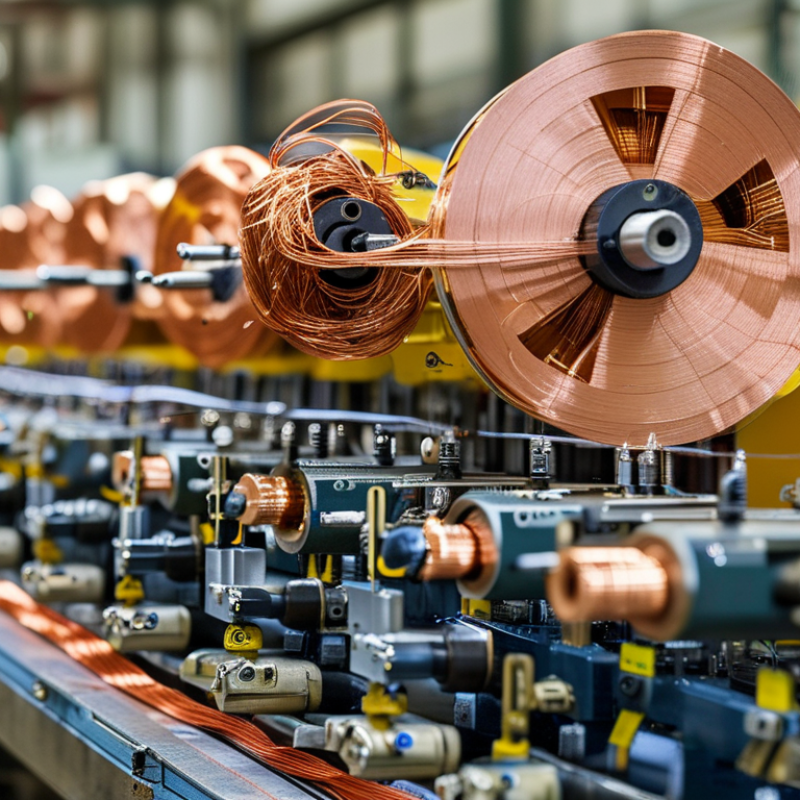
The global market for copper wire winding machines is evolving rapidly. Demand is rising in various sectors, including automotive and electronics. Manufacturers focus on efficiency and precision. With diverse applications, these machines play a crucial role in production processes. Emerging markets show increased interest, reflecting broader industrial growth.
Recent trends highlight automation and smart technology integration. Companies seek machines that offer better speed and accuracy. Enhanced user interfaces and data tracking capabilities are becoming standard features. However, challenges remain. Some buyers face difficulty in choosing the right specifications for their needs. Misalignment can lead to production issues, underscoring the importance of informed decisions.
Additionally, sustainability is a growing concern. The market is shifting toward energy-efficient solutions. This transition can be slow due to initial costs. Yet, investing in modern machines is essential for long-term savings and environmental benefits. As the landscape changes, staying updated on trends and requirements is vital. Understanding these dynamics can aid buyers in navigating this complex market.
When selecting a copper wire winding machine, several key features are important. Precision is paramount. Machines with advanced servo motor control offer enhanced accuracy, reducing material waste. Research indicates that winding accuracy can improve productivity by up to 30%.
Another critical feature is the machine’s speed. A higher RPM allows for quicker winding processes, which can scale production efficiently. However, operators should assess whether increased speed affects quality. A balance between speed and precision is crucial to meeting industry standards.
Flexibility in wire sizes is another vital aspect. Machines accommodating various wire diameters offer versatility in production. This adaptability is essential as trends in industries shift, influencing wire specifications. The ability to switch easily between different wire types can lead to reduced downtime.
Operators should also consider the machine's ease of operation. User-friendly interfaces can minimize training time and errors. Machines that integrate intuitive controls enhance workflow efficiency. Investing in a machine that provides built-in diagnostics can help maintain operational reliability, reducing unexpected breakdowns. Regular maintenance is necessary to ensure optimal performance. Reflections on the machine’s limitations will drive continuous improvement in production strategies.
When exploring the best copper wire winding machines in the market, one must examine the leading manufacturers. Various companies specialize in producing these machines, each offering distinct features. Quality, durability, and technology significantly impact the decision-making process. Buyers often face the challenge of choosing among different models with unique specifications.
A deeper analysis reveals that some manufacturers prioritize automation, which reduces labor costs. Others focus on precision and speed, optimizing production efficiency. However, not every machine meets the highest standards. Some buyers report issues with consistency and reliability, leading to downtime in production. This reflects the need for thorough testing and reviews before purchase.
Building long-term relationships with reliable manufacturers also plays a crucial role. Customers often share concerns over after-sales support and parts availability. A machine may excel in features but fall short if support is lacking. Thus, potential buyers must balance technical capabilities with support reliability. The best choice lies in careful consideration of both aspects.
Recent advancements in copper wire winding machinery reveal significant technological innovations. Industry experts note that automated winding processes have improved production efficiency by up to 30%. This reduction in operational time enhances output while minimizing labor costs.
One notable trend is the shift towards precision engineering. Advanced machines now include features like programmable logic controllers (PLCs) and sophisticated sensor technologies. Reports suggest that these innovations increase the accuracy of winding by more than 20%. Companies are witnessing a drop in defects during manufacturing. This improves overall product quality.
Additionally, the integration of IoT technology is revolutionizing monitoring systems. Real-time data collection allows for predictive maintenance. Such capabilities can potentially lead to a 15% reduction in machine downtime. The efficiency gains seem promising, yet some manufacturers still struggle with implementation challenges. Upgrading existing infrastructure can be resource-intensive, raising concerns about affordability for smaller firms.
This chart displays the market share of copper wire winding machines from 2018 to 2022. The growing trend indicates the increasing demand and innovations in the copper wire winding machinery sector. As seen, the market share has steadily increased over the years, reflecting advancements in technology and buyer preferences.
Investing in a high-quality copper wire winding machine can significantly enhance cost efficiency and improve return on investment (ROI). A recent industry report indicated that companies using automated winding machines noted a reduction in labor costs by approximately 30%. Automation minimizes human error, producing consistent and high-quality wire windings. This consistency directly translates to fewer product defects, ensuring higher customer satisfaction.
Moreover, a well-chosen winding machine can increase production speed. Some advanced models can wind copper wire at over 1500 RPM. This speed not only accelerates output but also allows for the scaling of production without a proportional increase in overhead costs. However, the initial investment can be daunting, with quality machines costing tens of thousands of dollars. Businesses must carefully evaluate this cost against the potential savings and additional revenue.
It's vital to consider maintenance costs as well. While newer machines may offer reliability, they still require routine servicing. Unexpected breakdowns can lead to production halts and significant losses. Gathering data on average downtime in the industry, which can be as much as 5%, is crucial for making informed decisions. Careful analysis can reveal whether the upfront investment aligns with long-term operational goals.
| Machine Model | Coil Diameter (mm) | Wire Gauge (AWG) | Winding Speed (m/min) | Power Consumption (kW) | Estimated Cost (USD) | ROI Period (months) |
|---|---|---|---|---|---|---|
| Model A | 10 | 24 | 25 | 3.5 | 5000 | 12 |
| Model B | 15 | 22 | 30 | 4.0 | 7000 | 10 |
| Model C | 20 | 20 | 35 | 5.0 | 9000 | 8 |
| Model D | 12 | 26 | 28 | 3.8 | 6000 | 11 |
| Model E | 17 | 18 | 32 | 4.5 | 8000 | 9 |
: Recent advancements include automated processes and precision engineering features. Efficiency has improved by up to 30%.
Automation has reduced labor costs by approximately 30%. It minimizes human error, ensuring consistent quality.
IoT technology allows real-time data monitoring, leading to predictive maintenance. This can reduce machine downtime by 15%.
Yes, some manufacturers face challenges in upgrading infrastructure. Affordability is often a concern for smaller firms.
New models can wind copper wire at speeds exceeding 1500 RPM. This supports faster production and lower overhead costs.
Companies must evaluate initial investment, maintenance costs, and potential savings. Unexpected breakdowns can be costly.
Advanced machines increase winding accuracy by over 20%. This leads to fewer defects and higher customer satisfaction.
Initial costs, long-term savings, and production speed are critical. Firms need to balance these aspects carefully.
Routine servicing is essential for reliability. Unexpected production halts can result in significant losses.
Evaluating data on downtime and operational goals helps ensure investment aligns with long-term success.
The article "Best Copper Wire Winding Machine for Global Buyers?" provides a comprehensive overview of the global market trends related to copper wire winding machines. It highlights key features buyers should consider when selecting a machine, emphasizing the importance of efficiency, precision, and automation capabilities. Additionally, it offers a comparative analysis of top manufacturers, focusing on their strengths and innovations in technology that enhance the functionality of copper wire winding machines.
Furthermore, the article discusses the latest technological advancements that are shaping the industry, such as improved winding techniques and smart features that increase productivity. Finally, it delves into the cost efficiency and return on investment associated with high-quality winding machines, making a compelling case for why investing in a reliable copper wire winding machine can significantly benefit businesses in the manufacturing sector.
