
In the evolving landscape of manufacturing, choosing the right Copper Winding Machine is crucial for global buyers. By 2026, the demand for reliable and efficient machines will rise. Many companies strive to enhance their production capabilities. Advanced technology and innovation will play key roles in this growth.
However, selecting the best Copper Winding Machine can be challenging. Features such as efficiency, speed, and durability must be carefully evaluated. Not every machine in the market meets these expectations. Potential buyers may feel overwhelmed by choices. It’s essential to analyze specific needs and identify trustworthy suppliers.
Recognizing industry trends will aid in decision-making. Global buyers must consider factors like sustainability and automation. These aspects can significantly impact production quality. Ultimately, investing in the right Copper Winding Machine can lead to measurable success. It requires reflection and careful consideration to ensure a fruitful investment.
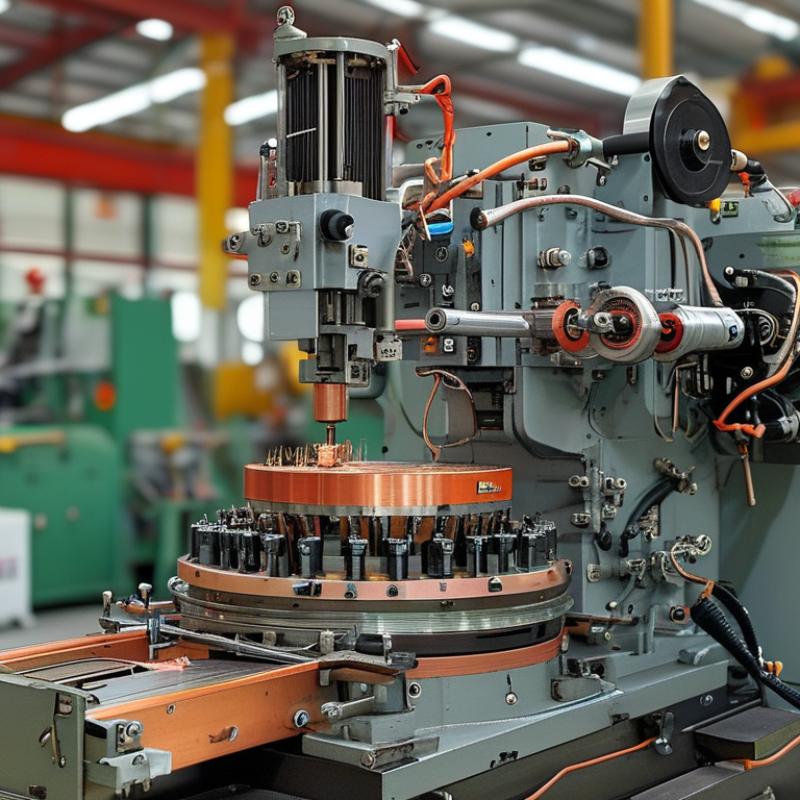
When selecting a copper winding machine, several key features should be evaluated. Portability is essential for many users. A lightweight design allows for easy relocation within facilities. This feature enhances flexibility, making it suitable for various production environments. Additionally, ease of use is important. A user-friendly interface can significantly reduce setup time and training costs.
Speed and efficiency are critical metrics for any winding machine. Look for machines that offer adjustable winding speeds. This adaptability caters to different project requirements. Moreover, the winding accuracy is vital as well. High precision helps guarantee product quality. A reliable machine minimizes defects, which can be costly in the long run.
Consider the material durability of the machine. Copper winding machines work long hours under demanding conditions. Sturdy components can withstand wear and tear. Maintenance is another factor to reflect on. Machines that are easier to maintain tend to have longer lifespans. Regular upkeep should not be a complex task. Always seek machines that address these practical concerns. Identifying this balance between performance and ease of use is often challenging yet necessary.
The demand for copper winding machines is set to increase as industries continue to evolve. According to a recent industry report from MarketsandMarkets, the global market for winding machines is projected to reach $8.52 billion by 2026. This growth reflects a broader trend in electrical and manufacturing sectors. Key manufacturers are investing in advanced technologies. They focus on precision and efficiency. This is vital for meeting the needs of various industries, from automotive to renewable energy.
Leading manufacturers are enhancing their production capabilities. They prioritize automation and smart technology. This shift not only improves output but also reduces production costs. Many industry experts highlight that reliability is critical. The performance of these machines can significantly impact overall production quality and safety.
As market needs change, manufacturers face challenges. There is a need to balance cost, efficiency, and sustainability. While many companies strive for innovation, a significant gap remains in integrating eco-friendly practices. Overall, the copper winding machine sector is evolving, driven by technological advancements and shifting market demands. The next few years will be crucial for companies aiming to establish themselves as leaders in this field.
Copper winding machines are becoming essential in various industries. Their utility spans electrical engineering and manufacturing. Reports indicate that the global copper market is projected to grow by 5.23% annually from 2021 to 2026. This growth highlights the demand for efficient copper processing technologies.
Using copper winding machines offers significant advantages. First, they enhance production efficiency. For instance, automation reduces manual handling. This leads to fewer errors and higher output rates. A study by the International Copper Association shows a 30% increase in productivity with modern winding machines. Moreover, these machines ensure precise winding, which prevents wire damage and improves performance longevity.
Reliability is another strong point. Many industries require consistent quality. Copper winding machines deliver that by maintaining high standards. However, some users report challenges in initial setup and training. Proper handling is crucial to maximize the benefits. Investing in skilled operators can mitigate these pitfalls and ensure smoother operations. Overall, the increasing reliance on copper winding machines aligns with global industrial trends.
Emerging technologies in copper winding machine design are reshaping the manufacturing landscape. The introduction of automated systems enhances efficiency. Reports indicate automation can increase production rates by 30%. This impact allows manufacturers to meet the growing demand for high-quality copper windings.
Advanced materials are also crucial in design innovation. Companies are exploring lightweight composites to reduce machine weight. This change can improve the speed and agility of winding operations. According to the International Copper Association, global copper consumption is projected to rise by 40% by 2026. Adapting designs to handle more complex windings becomes essential.
Sustainability is another important factor in design considerations. Many designers are now prioritizing energy-efficient technologies. Utilizing regenerative braking in machines could save up to 20% of energy costs. The industry faces challenges in balancing innovation and environmental concerns. As new technologies emerge, constant iteration is necessary to address efficiency and sustainability together.
| Model | Production Speed (m/min) | Wire Diameter Range (mm) | Power Consumption (kW) | Key Features |
|---|---|---|---|---|
| Model A | 60 | 0.1 - 2.0 | 5 | Automatic tension control, Smart interface |
| Model B | 75 | 0.05 - 1.5 | 4.5 | Low noise operation, Energy efficient |
| Model C | 50 | 0.1 - 2.5 | 6 | Robust design, High precision winding |
| Model D | 80 | 0.2 - 2.0 | 5.5 | User-friendly controls, Multi-layer winding |
The demand for copper winding machines is expected to grow significantly by 2026. According to a recent industry report, the global market for these machines is projected to reach USD 1.5 billion. This growth is driven by the increasing use of electric motors in various industries, such as automotive, aerospace, and renewable energy. As electric vehicle production surges, manufacturers look for efficient winding solutions.
Copper remains a preferred material for winding due to its excellent conductivity. The market has seen a shift towards machines that offer greater automation and precision. Companies prioritize features that enhance productivity and reduce waste. However, some manufacturers struggle to keep up with the rapid technology advancements. Fully automated machines are not yet universally affordable. This can lead to inefficiencies for smaller players in the market.
Emerging economies are showing a growing interest in investing in copper winding technology. The need for skilled labor in these regions poses a challenge. While the machines become more sophisticated, training the workforce is essential. Reports indicate that up to 40% of operators lack the necessary skills to manage modern winding machines. Bridging this gap is crucial for maximizing the benefits of these technologies.
: The demand grows due to evolving industries and the projected market growth of $8.52 billion by 2026.
Automation reduces manual handling, leading to fewer errors and a 30% increase in productivity.
Consistent quality directly impacts production quality and safety across various industries.
Manufacturers struggle to balance cost, efficiency, and sustainability while integrating eco-friendly practices.
Proper handling reduces the risk of errors and maximizes the machines' advantages, enhancing overall performance.
Users often report challenges with setup and training, which can affect operation efficiency.
Advancements improve precision and efficiency, which are crucial for meeting evolving market needs.
Investing in skilled operators helps reduce initial setup challenges and ensures smoother operations.
The article titled "Best Copper Winding Machine for Global Buyers in 2026" explores essential considerations for selecting an optimal Copper Winding Machine. Key features such as precision, efficiency, and automation capabilities are highlighted as critical factors for buyers in various industries. The piece also delves into the top manufacturers anticipated to shape the market landscape in 2026, emphasizing the advantages these machines bring to sectors like electronics and electrical engineering, including improved performance and reduced production costs.
Moreover, the article discusses emerging technologies influencing the design of Copper Winding Machines, such as smart automation and enhanced materials. It concludes with an analysis of market trends, noting a growing global demand driven by advancements in manufacturing processes and increased applications across different industries. This comprehensive overview provides valuable insights for global buyers looking to invest in high-quality Copper Winding Machines in the near future.
